
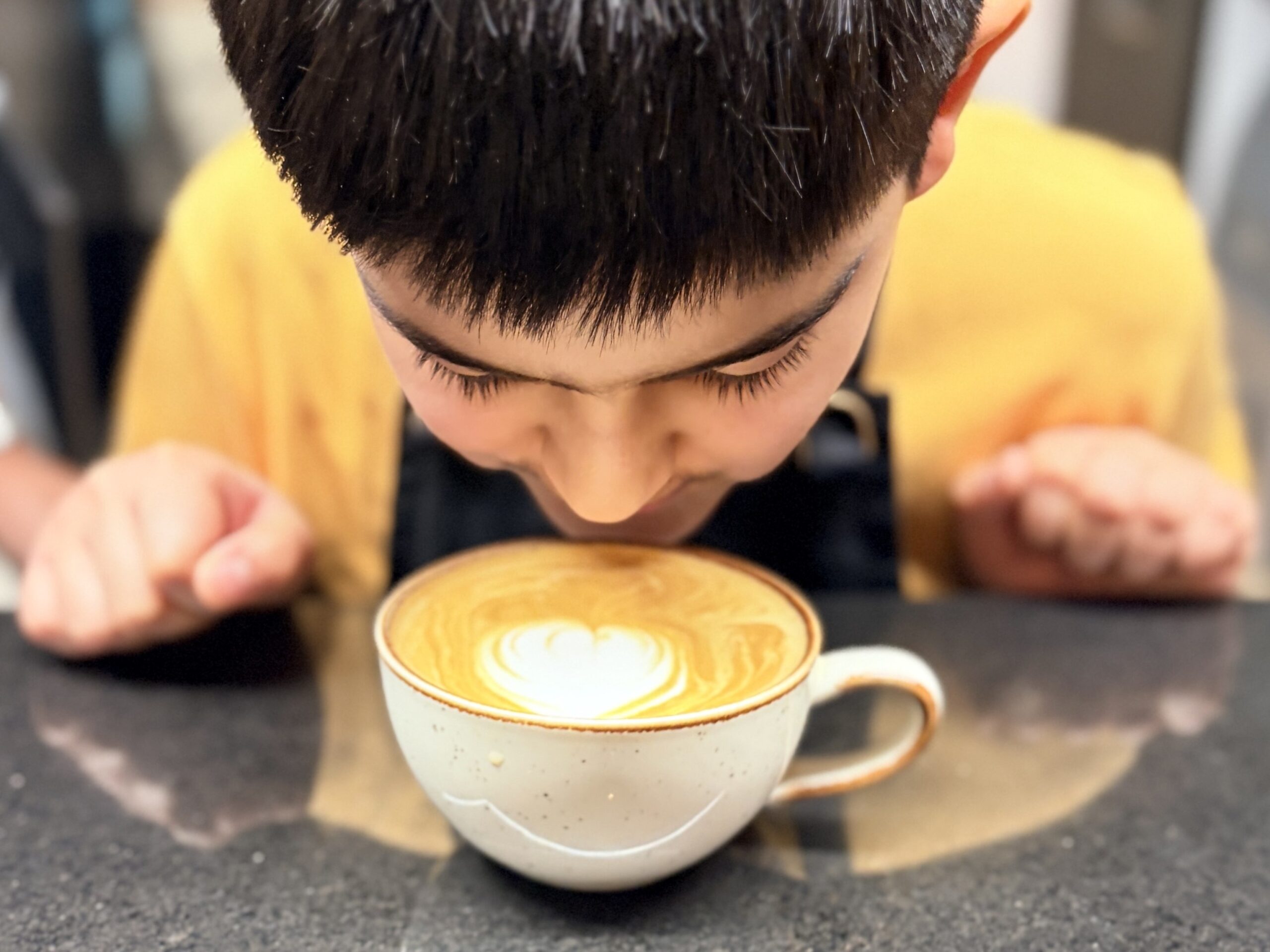
The Cup Looked Like a Tiny Canvas
Hi, I’m Aditya, and I still remember the first time I really tried latte art. I was already in love with coffee before that. I loved roasting. I loved brewing. I loved the smell that fills the room when coffee is fresh. But latte art felt different to me. It looked like coffee had suddenly become drawing.
When I saw a pretty white pattern floating on top of brown espresso, I felt amazed. It did not look like someone had just made a drink. It looked like someone had made something soft, careful, and beautiful. That was the day I started understanding why people call it latte art.
It is called art for a reason. The World Latte Art Championship even judges drinks on visual beauty, creativity, contrast, and overall performance, which shows that latte art is not only decoration. It is a real coffee skill.
I Learned Latte Art Starts Before the Pour
At first, I thought latte art was only about the hand movement at the end. I thought maybe you learn to wiggle the pitcher nicely, and a heart appears. But when I looked more closely, I learned that the design actually starts much earlier.
Latte art needs two important things to work well: a good espresso base with crema and smooth milk with very fine microfoam. If the espresso does not have a nice crema, or if the milk is too bubbly and rough, the design will not sit nicely on top.
That really surprised me. It taught me that latte art is not just the final moment. It begins with getting the coffee and milk right first.
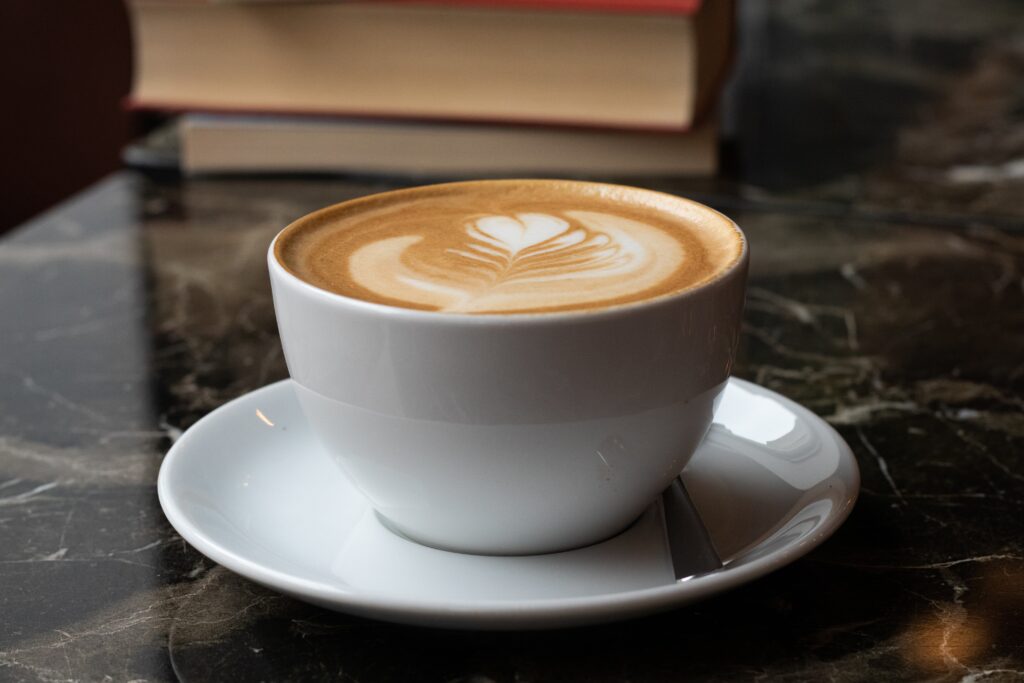
Espresso Becomes the Brown Canvas
One part I found very interesting was the espresso itself. A good espresso shot creates crema, which is that creamy brown layer on top. That layer matters because it becomes the canvas for the milk pattern. Without that contrast between brown crema and white milk, latte art does not look clear.
When I learned this, I started seeing espresso differently. Before that, I mostly thought of it as the strong coffee at the bottom of the cup. But now I could see it was also the stage where the art appears. That made me respect the espresso shot even more.
Milk Is the Real Paint
The next thing I learned was about milk texture. People often think latte art is mostly about the pour, but actually, the milk is a huge part of it. The milk needs to become microfoam, which means very fine, silky foam with tiny bubbles, not stiff foam with big bubbles. Good microfoam looks glossy and smooth, almost like wet paint.
This was one of my favorite lessons because it made so much sense. If the milk is rough and bubbly, it cannot draw cleanly. But if the milk is silky and smooth, it flows gently into the espresso and creates shapes more clearly.
This is why latte art looks easy only from far away. When you come closer, you realize that the milk has to be prepared very carefully.
The Pour Changes Everything
Then came the part I found the most exciting: the pour itself. I learned that pour height and flow matter a lot. When the pitcher is held higher, the milk goes under the crema more and helps build the base. When the pitcher comes closer to the surface, the milk starts floating on top and makes the white pattern appear.
That felt almost magical to me. Just by changing height and flow, the same milk can do two different jobs. First, it blends. Then it draws.
This is one reason I enjoyed my first latte art experience so much. It showed me that coffee can be very technical and very creative at the same time.
My First Try Was Not Perfect, and That Was Fine
When I first tried it, I did not make a perfect heart or a beautiful leaf. I quickly understood that latte art is much harder than it looks. The milk moves fast. The cup fills quickly. Your hand has to stay calm. And if one small thing goes wrong, the design can blur or disappear.
But honestly, that did not make me sad. It made me smile.
I liked that latte art asked me to slow down and pay attention. It reminded me of roasting and pour-over brewing in that way. Coffee keeps teaching me that beautiful results usually come from patience, not rushing.
Why Hearts Come First
I also learned that many beginners start with the heart pattern. That made sense to me. A heart is simple enough to practice, but it still teaches very important skills like milk texture, pitcher control, timing, and the finishing cut through the middle. Guides for beginners often start there before moving to more complex patterns like tulips and rosettas.
That is a lovely way to learn. The heart looks simple, but it teaches so much.
Latte Art Taught Me More Than Drawing
What I really loved about my first time trying latte art was that it did not feel like random decoration. It felt like a lesson hidden inside something pretty.
It taught me that coffee is not only about taste. It is also about texture, balance, movement, and care. It taught me that if the espresso is wrong, the art struggles. If the milk is wrong, the art struggles. If the pour is rushed, the art struggles. Everything is connected.
That is a big lesson for a young coffee learner like me. It showed me that pretty things in coffee are often built on strong basics.
It Also Made Me Respect Baristas Even More
After trying latte art, I respected baristas even more than before. When you watch someone do it quickly in a café, it can look so easy. But once you understand what is happening, you realize how much skill is behind that little heart or leaf.
There is espresso extraction, milk steaming, pitcher control, timing, contrast, and steadiness all happening together in just a few seconds. No wonder there are whole championships for it.
That made me feel even more excited about coffee learning. The more I learn, the more I see how much care goes into every cup.
Why My First Latte Art Moment Stayed With Me
My first latte art experience stayed with me because it felt like the perfect mix of science and beauty. The science was in the cream, the milk, the temperature, and the texture. The beauty was in the final shape floating on top. Both mattered. Neither one could work properly without the other.
For me, that is what made it so special. Latte art was not just something nice to look at. It was another doorway into understanding coffee more deeply.
My Final Thought
If I had to describe my first time trying latte art in one simple way, this: it felt like learning to draw on coffee with milk, but only after the coffee and milk had both done their jobs properly.
That is why I loved it so much.
It was fun. It was challenging. It was beautiful. And it taught me that even one small white heart on top of a cup can carry a lot of skill inside it.
As a young coffee learner, that is one of the nicest things coffee keeps showing me. Even the prettiest little moments are built with care.