
My name is Aditya, and I am eight years old Youngest Coffee Brewer. I haven’t had coffee yet, but it’s been part of my life for a long time. I love the smell of beans, the warm air near roasting, and the calm feeling coffee brings to people at home and in cafés. This is how my journey started as Youngest Coffee Brewer, and what I have learned so far.
My first coffee memory was not a sip. It was a moment of surprise. When I was about one and a half years old, I stood on my toes to look inside a coffee roaster. I saw beans changing color. Heard them move. I smelled something warm in the air. It felt like magic, and that moment stayed in my head.
As I grew, so did my curiosity. I wanted to know what coffee beans are. Wanted to know why green beans turn brown. I wanted to know why the smell changes while roasting. Also noticed that people become happy when coffee is made. I started to see coffee as a process, not just a drink.

What I Loved First About Coffee
Even without drinking coffee, there is a lot to love. I began by noticing simple things.
- The aroma of fresh coffee when someone opens a bag
- The sound of beans moving in a roaster
- The way beans change color step by step
- The tools people use to brew coffee with care
- The quiet happiness coffee brings to mornings
When you notice small things, you start asking better questions.
Learning With My Parents Beside Me
Coffee has heat, hot water, and sharp tools. So safety matters a lot. My parents always stay with me when I learn. As Youngest Coffee Brewer, They guided me, and they keep me safe. They also teach me patience. They tell me to watch first, then do one small step, then learn the next step. This slow learning helps me understand coffee clearly.
If you are a parent reading this, here is the key point. A child can learn about coffee without drinking coffee, but only when adults control the risky parts.
How Roasting Became My Favorite Lesson
Roasting is my favorite part of coffee. Roasting is when the bean changes, and the aroma becomes stronger. A roast has stages, and each stage has signs you can see and smell. At first, beans look green and smell light. Then they become yellow and smell a bit like warm grains. Then they turn tan and smell sweet. Later, they turn brown and smell like real coffee.
Roasters also listen for a sound called first crack. It can sound like tiny pops. That sound tells you the coffee has reached an important point. After that, the roaster chooses when to stop, based on the roast level.
People often search terms like youngest coffee brewer, kid coffee roaster, and youngest roaster in India. Those words can sound big, but my daily work is simple. I watch carefully. Learn slowly. I repeat safe steps with help.
Brewing Helped Me Understand Coffee Even More
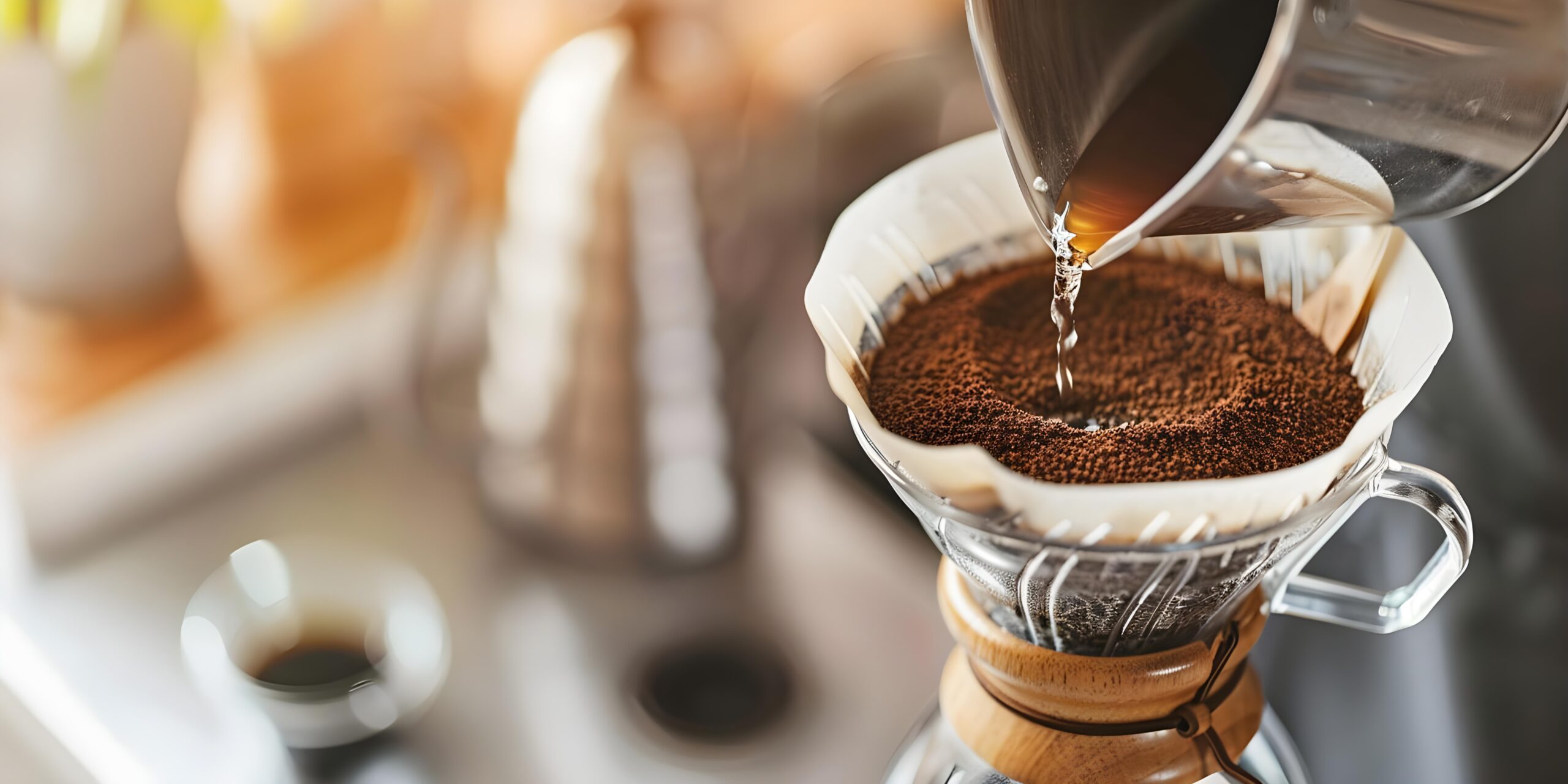
Roasting taught me how beans change. Brewing taught me that water brings out coffee’s flavor. Brewing is like a small experiment. If you change one thing, the cup can change. You can change the grind size, the water amount, or the time.
One tool I enjoy is the AeroPress. It is simple and easy to repeat. I like it because it teaches routine. You add coffee, add hot water with adult help, stir, and press slowly. It makes me focus on calm steps. When I made AeroPress for coffee people during my visits, I felt proud because I was sharing a careful process.
What Coffee Farms Taught Me
Coffee does not start in a roaster. Coffee starts on a farm. When I visited coffee estates, I saw trees, shade, and cherries. I learned that coffee cherries are picked when they are ripe. Then the beans are processed and dried, becoming green beans ready for roasting.
I also learned a few simple processing ideas.
- Washed process: coffee is cleaned with water for a clearer cup
- Natural process: coffee dries with the fruit for more fruit-like notes
- Honey process: some fruit stays during drying for extra sweetness
On farms, people also talk about sorting cherries and removing floaters. Floaters are cherries that float in water, and they are often removed to improve quality. I learned that careful steps early can make roasting easier later.
Learning From Coffee People
My parents took me to cafés and roasteries so I could learn from experts. Some people explained roasting in a slow and friendly way. Some people showed me how to handle tools carefully. I also learn from videos and books, because good teachers explain things clearly. I like learning from people who respect questions, even simple ones.
If you are starting coffee, ask simple questions and write simple notes. Coffee learning gets easier when you track what you changed and what happened.
My Simple Practice Routine
I do not try to learn everything in one day. I follow a simple routine that keeps learning calm.
- I keep my tools clean after use
- I change only one thing at a time when testing
- I write short notes about smell, time, and steps
- I practice the same method for a week before switching
- I always put safety first around heat and hot water
These habits are not only for kids. Adults can use them too.
Common Mistakes I Learned to Avoid
- Rushing steps and skipping cleaning
- Changing too many things at once
- Using old coffee stored in the open air
- Pouring water too fast during manual brewing
- Ignoring safety around hot tools
Simple Coffee Storage and Freshness
One small thing that greatly affects coffee is how you store it. Coffee beans can lose their fresh smell if they come into contact with air, heat, or moisture. At home, we keep beans in an airtight container, away from sunlight and the stove.
We also try to buy only what we can use in a few weeks, so it stays fresh. If you grind coffee, grind only what you need for that brew, because ground coffee loses aroma faster. When you brew, change only one thing at a time. If a cup feels too strong, use a little less coffee. If it feels too weak, add a little more slowly.
Why This Journey Matters
The journey of Youngest Coffee Brewer taught me that coffee is not only about drinking. Coffee is a craft, a story, and a daily routine. It teaches patience and focus. It also brings people together. When I see someone enjoying coffee, I feel happy because I know how many steps it took to create that moment.
If you are a beginner, you do not need fancy gear to start. You need curiosity, safe habits, and steady practice.
Learn With Me
If you want to follow my coffee learning journey and learn simple coffee lessons from my adventures, visit Brew With Aditya and join me as I keep learning one safe step at a time.