

Some coffee lessons stay in your mind because they make you look at coffee in a new way. My podcast with Sathya Didi from Harley Estate was one of those lessons. I had visited Harley Estate earlier, and I saw many coffee processes there. But in this podcast, I understood why those processes matter so much and how they change the final cup.
I’m Aditya, and people call me the youngest roaster in India. I am still learning coffee step by step, and this conversation helped me understand that coffee does not start from roasting. It starts much earlier, at the farm, with cherries, soil, weather, drying, fermentation, and careful decisions made by people who work with coffee every day.
Meeting Sathya Didi From Harley Estate
Sathya Didi works in specialty coffee processing, cupping, quality, and roast development at Harley Estate. She has been working with research and development in coffee processing, especially with fermentation methods using yeast, bacteria, and native cultures.
That sounded very scientific to me at first, but she explained it in a simple way. Fermentation can change the flavour of coffee. It can bring more sweetness, fruit notes, clarity, body, and complexity when it is done carefully.
Harley Estate is one of the old coffee estates in the Manjarabad region. Sathya Didi explained that the estate is run by fifth-generation planters. What I liked most was how she said Harley Estate is not only farming. It is also flavour craftsmanship.
That means they do not just grow coffee. They work carefully after harvesting to design better coffee flavours through processing, drying, lot separation, and fermentation science.
Why Post-Harvest Processing Is So Important
Before this conversation, I already knew that roasting changes coffee. But Sathya Didi helped me understand that the farm creates the foundation of flavour.
She said the genetics, soil, climate, ripeness, and processing can decide around 70 to 80% of the final cup character. Roasting then reveals or shapes the sweetness, body, balance, and clarity.
This was a big learning for me as a young coffee roaster. A roaster cannot create good quality from poor green coffee. But a bad roast can hide the quality of excellent green coffee.
So, if we want great coffee, every step matters.
The Real Challenges Coffee Farms Face
Coffee farming looks beautiful when we see photos of estates and cherries. But Sathya Didi explained that it is also very difficult.
One big challenge is climate change. Rain can come too early or too late. Temperatures can rise. Drying can become difficult when moisture is too high. Unseasonal rainfall can affect harvesting. These changes can disturb flowering, cherry development, drying, pest control, and even fermentation.
Another challenge is labour. Specialty coffee needs skilled workers because cherries must be picked carefully. For better coffee, farmers often select ripe fruits based on sugar level, also called Brix percentage. That needs time, training, and patience.
Rising costs are also a problem. Fertilizers, farm maintenance, labour, and processing all cost money, but coffee prices are not always stable. This helped me respect coffee farmers even more.
Why Coffee Quality Changes Every Year
I asked Sathya Didi if it is difficult to keep coffee quality consistent every year. She said yes, because coffee is an agricultural product. Every season changes with climate, soil moisture, temperature, and microbial activity.
That means coffee from the same estate may not taste exactly the same every year. But consistency does not mean making every coffee identical. It means keeping high standards while respecting each season.
Harley Estate works on this through strict cherry selection, block-wise or varietal-wise separation, controlled fermentation, careful drying, and quality analysis.
This was a very important lesson for me. In specialty coffee, nature always has a voice.
What People Don’t Understand About Coffee Farming
Many people drink coffee without knowing how much work happens before it reaches the cup. Sathya Didi said coffee is one of the most labour-intensive crops.
Farmers spend months managing plants, picking cherries, processing them, drying them, and protecting quality. One small mistake during harvesting or drying can affect months of work.
This made me think differently. Coffee is not just a drink. It is farming, science, risk, patience, and teamwork.
Coffee Processing Methods I Learned About
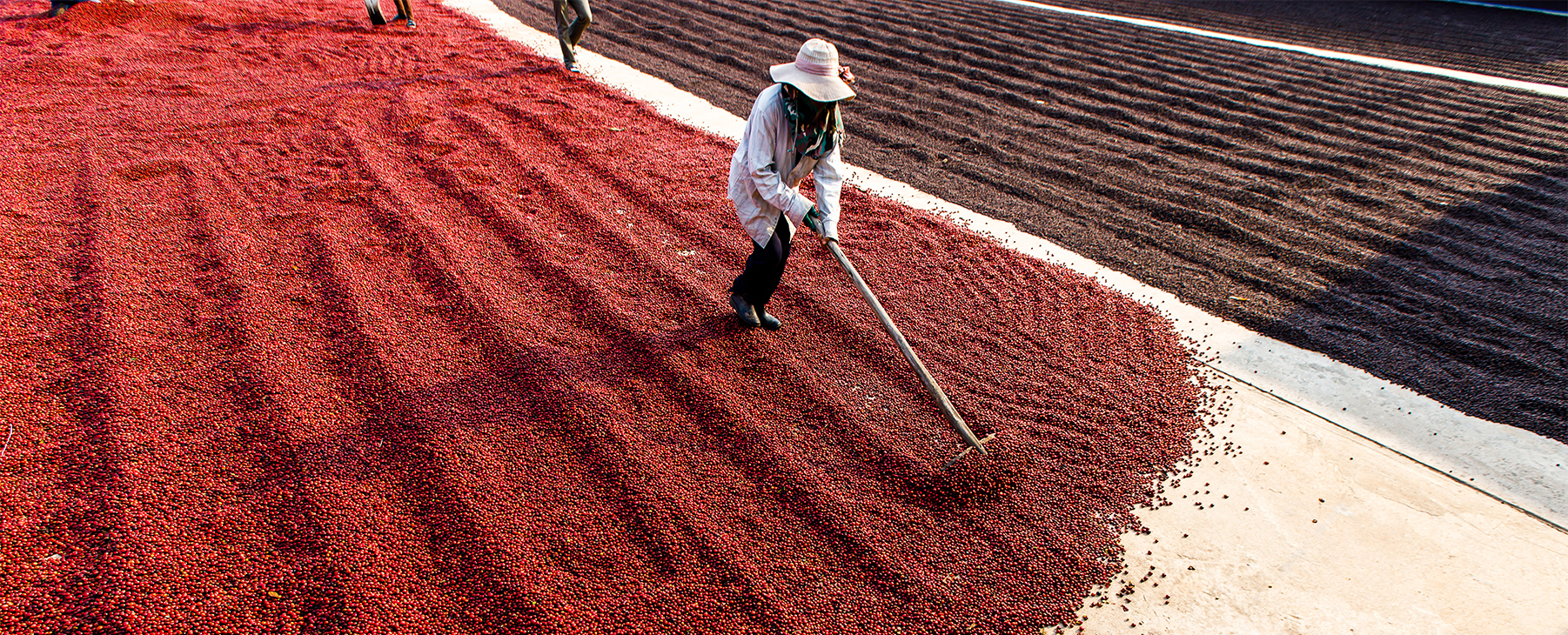
When I visited Harley Estate, I saw many processing methods like washed, honey, natural, winey, anaerobic fermentation, carbonic maceration, and barrel-aged coffee. In the podcast, Sathya Didi explained them in a simple way.
Washed Coffee Process
In the washed process, cherries are sorted, washed, and passed through water to remove floaters. Then the good cherries are pulped, which means the outer skin is removed. After that, fermentation helps break down sugars and acids.
Washed coffee usually gives a clean, bright, and transparent cup. It helps show the origin character clearly. Sathya Didi said this process gives the most control because it removes many external fruit influences and makes defects easier to identify.
Honey Process Coffee
In the honey process, the coffee is pulped, but some mucilage stays on the bean while drying. This mucilage is the sticky layer around the coffee seed.
There are different honey styles like yellow honey, red honey, and black honey. These depend on how much mucilage is left and how the drying happens.
Honey process coffee can add more sweetness, body, and fruity complexity compared to washed coffee.
Natural Process Coffee
In the natural process, the whole coffee cherry is dried with the skin and fruit still around the seed. During drying, the fruit sugars influence the bean.
Natural coffees often have a heavier body and more fruit-forward flavours. They can taste bold, sweet, and expressive when processed well.
Anaerobic Fermentation Coffee
Anaerobic fermentation means coffee is fermented in sealed tanks with little or no oxygen. This method needs careful control because microbial activity, temperature, and time can change the cup a lot.
When managed properly, anaerobic coffee can create expressive flavours like tropical fruit notes and unique acidity.
Carbonic Maceration Coffee
Carbonic maceration is inspired by wine making. Whole cherries are fermented in a carbon dioxide-rich environment. This can create layered fruit flavours, aromatic complexity, and a silky texture.
This process sounded very interesting to me because it shows how coffee and science can work together.
Winey Process Coffee
In the winey process, fermentation is extended to create wine-like characteristics. This can bring berry notes, deeper sweetness, and complex acidity.
It does not mean wine is added. It means the process creates flavours that remind people of wine-like fruitiness and depth.
Barrel-Aged Coffee
In barrel-aged coffee, green coffee is rested inside spirit or wine barrels. The coffee absorbs aroma compounds from the wood and the previous contents of the barrel.
This can create flavours like vanilla, oak, spice, or whisky-like notes. It is one of the more experimental coffee processing methods.
What High-Quality Coffee Means
Sathya Didi explained high-quality coffee in a very nice way. It is not only about taste. Good coffee should be clean, expressive, balanced, sweet, and memorable.
But quality also means careful farming, ethical production, consistency, and attention to detail from farm to cup.
This is a strong lesson for anyone buying specialty coffee beans in India. A high score or trendy process is not enough. The coffee should be clean, drinkable, traceable, and handled well.
What Roasters Should Check When Buying Green Coffee
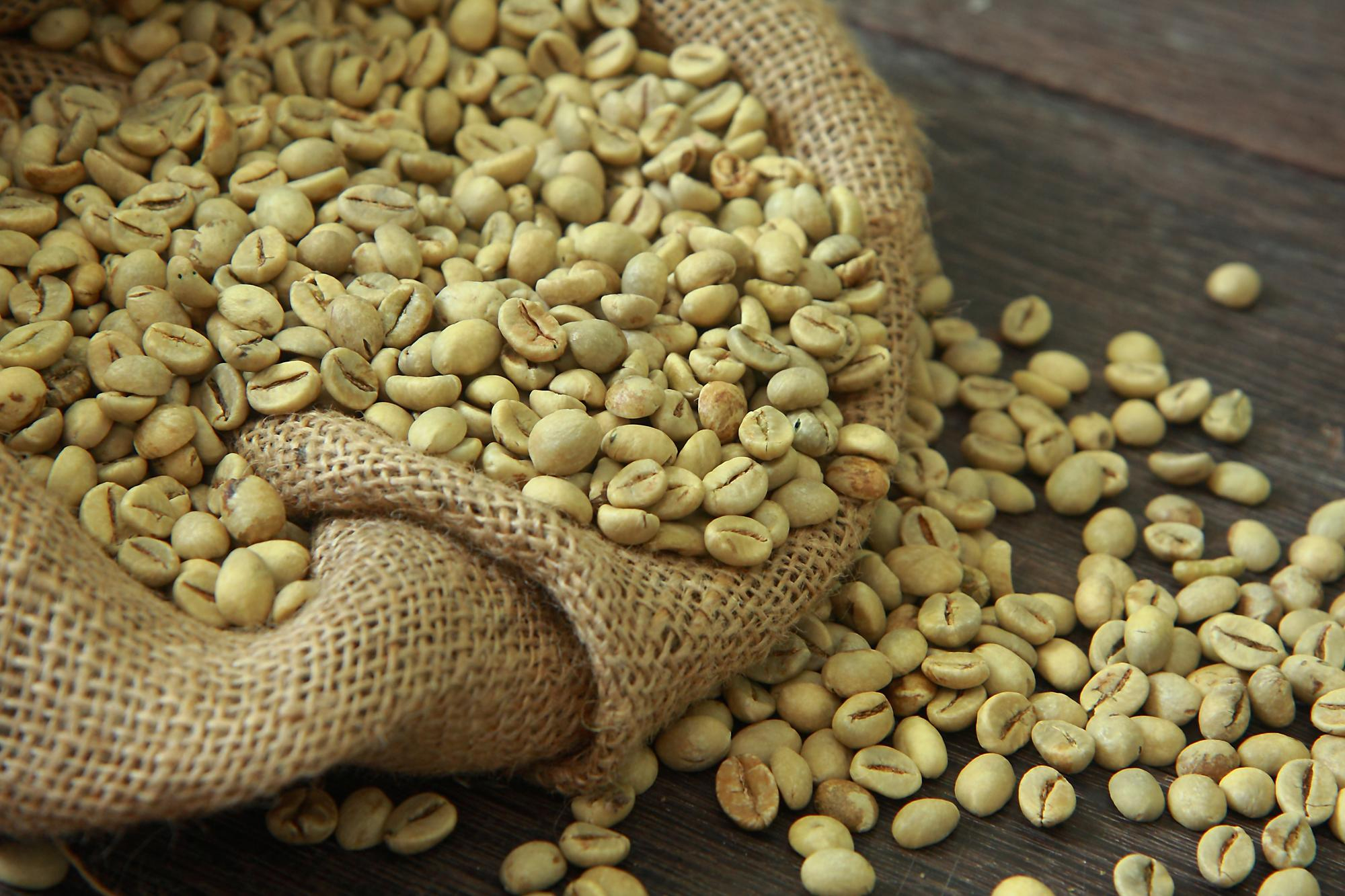
As someone learning roasting, I liked this part a lot. Sathya Didi said roasters should look beyond cupping scores.
Roasters should understand:
Farm Practices
It is important to know how the coffee is grown, harvested, processed, dried, and stored. Good farm practices help create better green coffee.
Processing Details
The processing method affects flavour, body, sweetness, clarity, and shelf life. A roaster should know whether the coffee is washed, honey, natural, anaerobic, or experimental.
Drying And Storage
Poor drying can affect quality. Bad storage can reduce freshness and consistency. Beginners should ask how the coffee was dried and stored.
Traceability
Traceability means knowing where the coffee comes from and how it was handled. It builds trust between farmers, roasters, and buyers.
Long-Term Relationships
Sathya Didi said good sourcing is about partnership, not just buying coffee. This line stayed with me. When roasters build relationships with producers, both sides can improve quality over time.
Mistakes Buyers Make When Choosing Coffee
Many beginners focus only on trendy processing methods or high cupping scores. But Sathya Didi said buyers should also think about balance and drinkability.
Before buying coffee beans from a farm, beginners should check freshness, processing details, moisture stability, cleanliness in the cup, and whether the coffee suits their roasting or brewing style.
This is very useful for home roasters, small roasters, and anyone sourcing Indian specialty coffee.
How Sathya Didi Explained Flavours To A Child
I asked her how she would explain coffee flavours to a child. Her answer was very sweet.
She said coffee flavours are like fruit juice surprises hidden inside a seed. Some coffees taste like chocolate, berries, flowers, or caramel. These flavours are not added. They come naturally from farming, processing, and roasting.
I loved this answer because it made coffee feel simple and magical at the same time.
My Biggest Learning As The Youngest Roaster In India
At the end, Sathya Didi gave me advice for my journey as the youngest roaster in India. She said I should stay curious and never stop tasting.
Focus deeply on fundamentals like green coffee, roasting, brewing, and sensory skills. She also said not to chase trends too quickly. I should build my palate, ask questions, and spend time understanding producers, farmers, and farms.
The most important thing she said was that great coffee is a collaboration between farmer, processor, roaster, and brewer.
That is my biggest learning from this podcast.
Quick Answers From My Podcast With Sathya Didi
What makes Harley Estate special?
Harley Estate gives strong attention to post-harvest processing, controlled fermentation, drying methods, and careful lot separation. They combine traditional farming knowledge with experimental processing.
Which coffee process gives the most control?
The washed process gives the most control because it shows the bean clearly and helps identify defects. Controlled anaerobic fermentation can also be precise, but it needs careful monitoring.
How much flavour is decided at the farm?
A large part of coffee flavour is decided at the farm through genetics, soil, climate, ripeness, and processing. Roasting reveals and shapes that potential.
What should beginners check before buying coffee beans?
They should check freshness, processing method, drying quality, moisture stability, cleanliness in the cup, and whether the coffee suits their brewing or roasting style.
Final Thoughts From My Coffee Notebook
This podcast with Sathya Didi made me respect coffee farms even more. I learned that coffee processing is not just a step after harvesting. It is one of the most important parts of specialty coffee.
Washed, honey, natural, anaerobic, carbonic maceration, winey, and barrel-aged coffees all show different sides of the same seed. But behind every process, there must be care, control, and respect for the coffee.
As I continue my journey with Brew With Aditya, I want to keep learning from farmers, processors, roasters, and trainers. Coffee is not made by one person. It is made by many hands, many decisions, and many small details from farm to cup.