
When I first started learning about coffee, I thought all coffee beans were almost the same. They looked small, brown, and shiny after roasting, so I thought they would all taste like normal coffee. But then I smelled different beans and brewed them with my family. One coffee smelled like chocolate, another smelled like fruit, and one even reminded me of flowers after it cooled down.
That made me ask a simple question: why does every coffee bean taste different?
Slowly, I learned that coffee is not just one taste. Coffee can be sweet, bright, nutty, chocolatey, fruity, floral, earthy, or spicy. Some cups feel light and clean, while some feel heavy and strong. The exciting thing is that these flavours do not come from added flavouring most of the time. They come from the bean itself, the farm, the roast, and the brewing method.
To me, coffee feels like a small story in a cup. Every bean carries the story of where it grew, how it was picked, how it was dried, how it was roasted, and how carefully it was brewed.
Coffee Beans Are Seeds, Not Just Beans
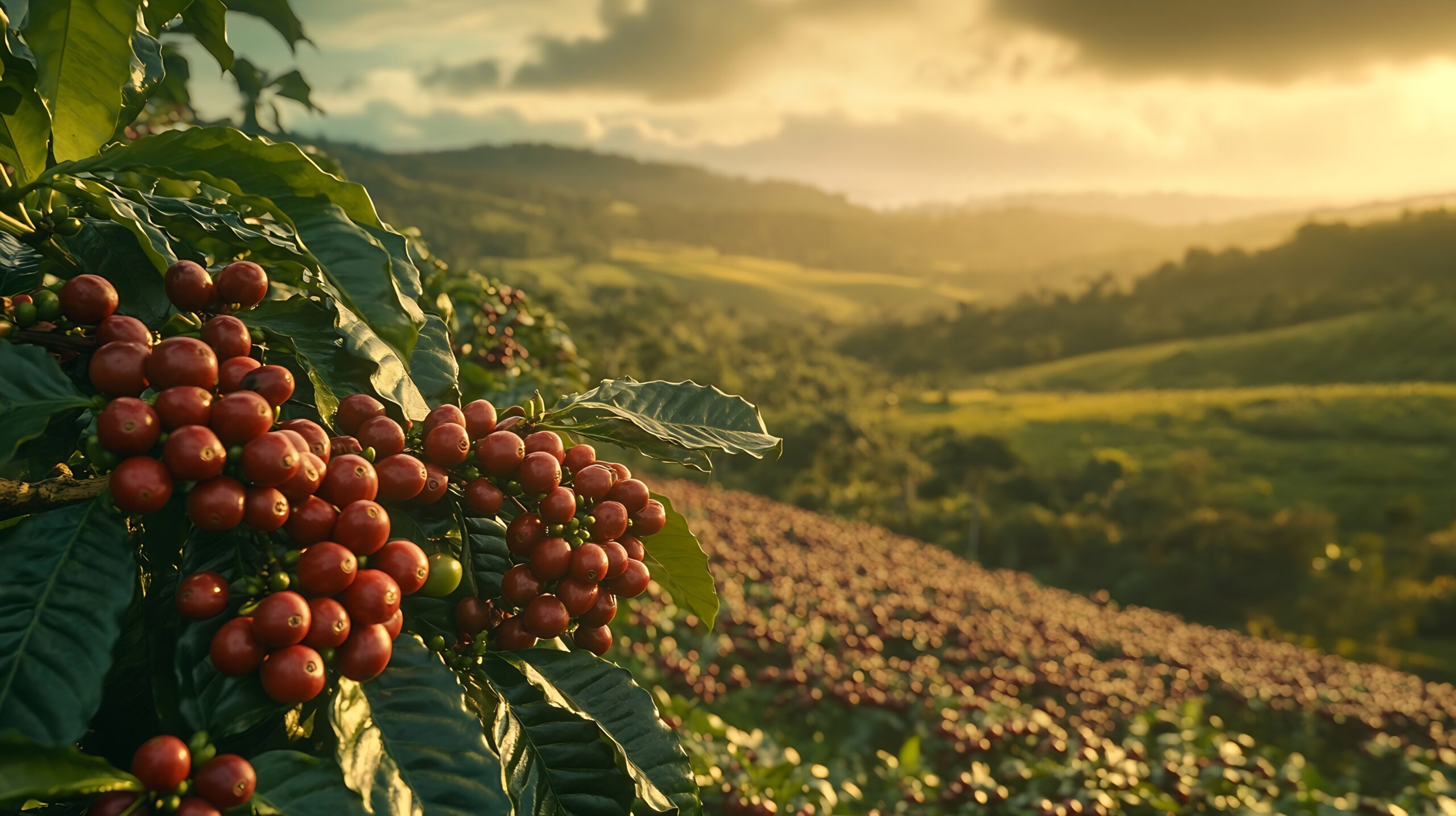
The first thing I learned is that coffee beans are actually seeds. They come from a coffee cherry, which is a fruit that grows on a coffee plant. Inside the cherry, there are usually two seeds. These seeds become the coffee beans we roast and brew.
This matters because coffee is connected to farming, just like mangoes, apples, grapes, or oranges. If two mangoes grow in different places, they may not taste the same. One may be sweeter, one may be juicier, and one may have a different smell. Coffee works similarly.
The flavour starts forming while the coffee is still growing on the plant. Before anyone roasts it or brews it, the seed has already collected many clues from nature. That is why farmers, weather, soil, altitude, and care all matter so much.
When I think about this, I feel more respect for every cup. A lot has already happened before the coffee reaches our kitchen.
The Place Where Coffee Grows Changes The Taste
Coffee grows in many parts of the world. It grows in countries like India, Ethiopia, Colombia, Brazil, Kenya, Vietnam, Indonesia, and many more. Each place has its own climate, soil, rainfall, sunshine, and farming style. That is why coffee from one region can taste very different from coffee grown somewhere else.
Coffee from higher places often grows more slowly because the temperature is cooler. When coffee cherries grow slowly, they can develop more interesting flavours. This does not mean every high-altitude coffee is automatically better, but altitude can help create sweetness, brightness, and complexity when everything else is handled well.
Coffee grown in warmer lower areas may taste fuller, softer, or heavier depending on the variety and processing. Some coffees may taste more chocolatey or nutty, while others may taste fruity or bright.
This is why coffee bags often mention the origin. The origin tells us where the coffee came from. It can be a country, a region, a farm, or even a small estate. For a coffee learner like me, origin is like the first chapter of the coffee story.
Why Soil And Weather Matter
Soil gives the coffee plant nutrients. Weather gives it rain, sunlight, warmth, and coolness. Together, they help decide how the coffee cherry develops.
If the soil is rich and healthy, the plant can grow better cherries. If the weather is balanced, the cherries can ripen properly. But if there is too much rain, too much heat, or not enough care, the crop can change. This can also change the final flavour.
Coffee plants need attention because they are living things. Farmers must watch them through the season. They have to know when the cherries are ready to pick. If cherries are picked too early, the coffee can taste sharp or grassy. If they are overripe, the flavour can become too fermented or uneven. Coffee Bean
The best cherries are usually picked when they are ripe. This helps the coffee taste sweeter and cleaner.
I find this part very interesting because the taste of coffee begins with patience. A good cup does not start in the café or kitchen. It starts on the farm.
The Coffee Variety Makes A Difference
Not all coffee plants are the same. There are different types and varieties of coffee plants. The two most common species are Arabica and Robusta. Arabica is usually known for more delicate and complex flavours. Robusta often has more caffeine, more bitterness, and a stronger body.
But even inside Arabica, there are wide varieties. Some may naturally taste sweeter. May have more acidity. Some may be known for floral notes. Some may be better for certain climates or farms.
This is similar to apples. A green apple and a red apple are both apples, but they do not taste the same. One can be sharper, and one can be sweeter. Coffee varieties also have their own personality.
When I read a coffee label and see the variety name, I feel like I am meeting the bean properly. It is not just “coffee.” It is a specific plant, from a specific place, with its own nature.
Processing Can Make Coffee Taste Clean, Fruity, Or Heavy
After coffee cherries are picked, the seed has to be removed from the fruit. This is called processing, and it is one of the biggest reasons coffee beans taste different.
In washed processing, the fruit is removed before the beans are dried. Washed coffees often taste clean, bright, and clear. They can help us taste the real character of the origin more directly.
In natural processing, the whole coffee cherry is dried with the fruit still around the seed. This can make the coffee taste fruitier, heavier, sweeter, or sometimes more wine-like. Natural coffees can be very exciting, but they also need careful drying.
In honey processing, some of the sticky fruit layer stays on the bean while it dries. This can create sweetness and body. It sits somewhere between washed and natural processing.
This step taught me that coffee is not only about the bean. It is also about what happens after picking. The same farm and same variety can taste different if processed in different ways.
That feels amazing to me, because one small change can make the cup tell a different story.
Roasting Changes The Bean Into Something Magical
Green coffee beans do not smell like the coffee we know. They look pale and smell more like seeds or grass. Roasting changes them completely.
During roasting, heat turns the green bean into a brown roasted bean. The bean becomes bigger, lighter, more aromatic, and full of flavour. Roasting brings out sweetness, aroma, body, and many taste notes.
A light roast can keep more of the bean’s natural flavour. It may taste more fruity, floral, or bright. A medium roast can balance sweetness, acidity, and body. A dark roast can taste stronger, more bitter, smoky, or chocolatey, but it may also hide some origin flavours if taken too far.
I used to think dark coffee means strong coffee and strong coffee means better coffee. Now I know it is not that simple. A good roast should match the bean and bring out its best side.
Roasting is like cooking. If we cook something too little, it may not be ready. If we cook it too much, it may lose its natural taste. The roaster has to understand the bean and guide it carefully.
Freshness Also Changes The Cup
Freshness is very important in coffee. After roasting, coffee slowly loses aroma and flavour. This does not mean coffee becomes bad in one day, but it changes with time.
Freshly roasted coffee usually smells more alive. When it is brewed, it can have better aroma and clearer flavour. Very old coffee can taste dull, flat, or stale.
But coffee also needs a little rest after roasting. Right after roasting, the beans release gas. Many coffees taste better after resting for a few days. This depends on the roast and the brewing method.
At home, the best thing is to buy coffee in smaller amounts, store it well, and use it before it becomes too old. Keep beans away from air, sunlight, heat, and moisture.
I like opening a bag of fresh coffee because the smell comes out like a surprise. It feels like the beans are saying, “Now brew us properly.”
Grinding And Brewing Can Change The Same Coffee
Even if we choose a good bean, the final taste still depends on how we brew it. The same coffee can taste different in a French press, pour-over, espresso machine, AeroPress, or moka pot.
Grind size makes a big difference. A finer grind lets water pull flavour faster. A coarser grind slows that extraction differently. If the grind is wrong for the method, the cup can become bitter, sour, weak, or muddy.
Water temperature also matters. Very hot water can pull out bitter flavours. Water that is too cool may not extract enough sweetness and depth. Brew time matters too. If water stays with Coffee Bean for too long, the taste can become heavy or dry. If it does not stay long enough, the cup can taste thin.
This is why brewing is a skill. A good bean needs careful brewing to show its best flavour.
I like this because it means the brewer also becomes part of the coffee story. The farmer starts the story, the roaster continues it, and the person brewing finishes it in the cup.
How I Try To Understand Coffee Flavours
When I taste coffee, I do not try to use big words first. I start with simple questions.
Does it smell sweet?
It remind me of fruit, chocolate, nuts, flowers, or spices?
Does it feel light or heavy?
Is it sour in a nice way, or too sharp?
Is it bitter, or just strong?
Does the taste stay nicely after I sip?
These questions help me understand coffee better without feeling confused. Sometimes I write small notes. I may write, “smells like chocolate,” “tastes bright,” or “better after cooling.” This helps me remember what I noticed.
Coffee tasting becomes easier when we slow down. Many flavours appear after the coffee cools a little. A very hot cup can hide the gentle notes, so I try not to judge it too quickly.
Every coffee bean is different because nature, farming, processing, roasting, and brewing all come together. When we understand this, coffee becomes more than a drink. It becomes a lesson in patience, care, and curiosity.
Conclusion
Every coffee bean tastes different because it has lived a different life before reaching our cup. It grew in a certain place, under certain weather, in certain soil, and on a certain plant. Then it was picked, processed, dried, roasted, ground, and brewed.
That is a long journey for one small bean.
For me, this is what makes coffee so beautiful. It teaches me that small things can carry big stories. A coffee bean may look tiny, but inside it there can be flavours of fruit, flowers, chocolate, nuts, spices, and the place where it came from.
When we understand why coffee beans taste different, we also become better brewers. We stop drinking coffee in a hurry and start noticing it with more care.
So next time you brew coffee at home, smell the beans first. Read the label. Notice the origin. Think about the farm. Watch how it blooms. Taste it slowly after it cools a little.
You may find that every cup is trying to teach you something.