
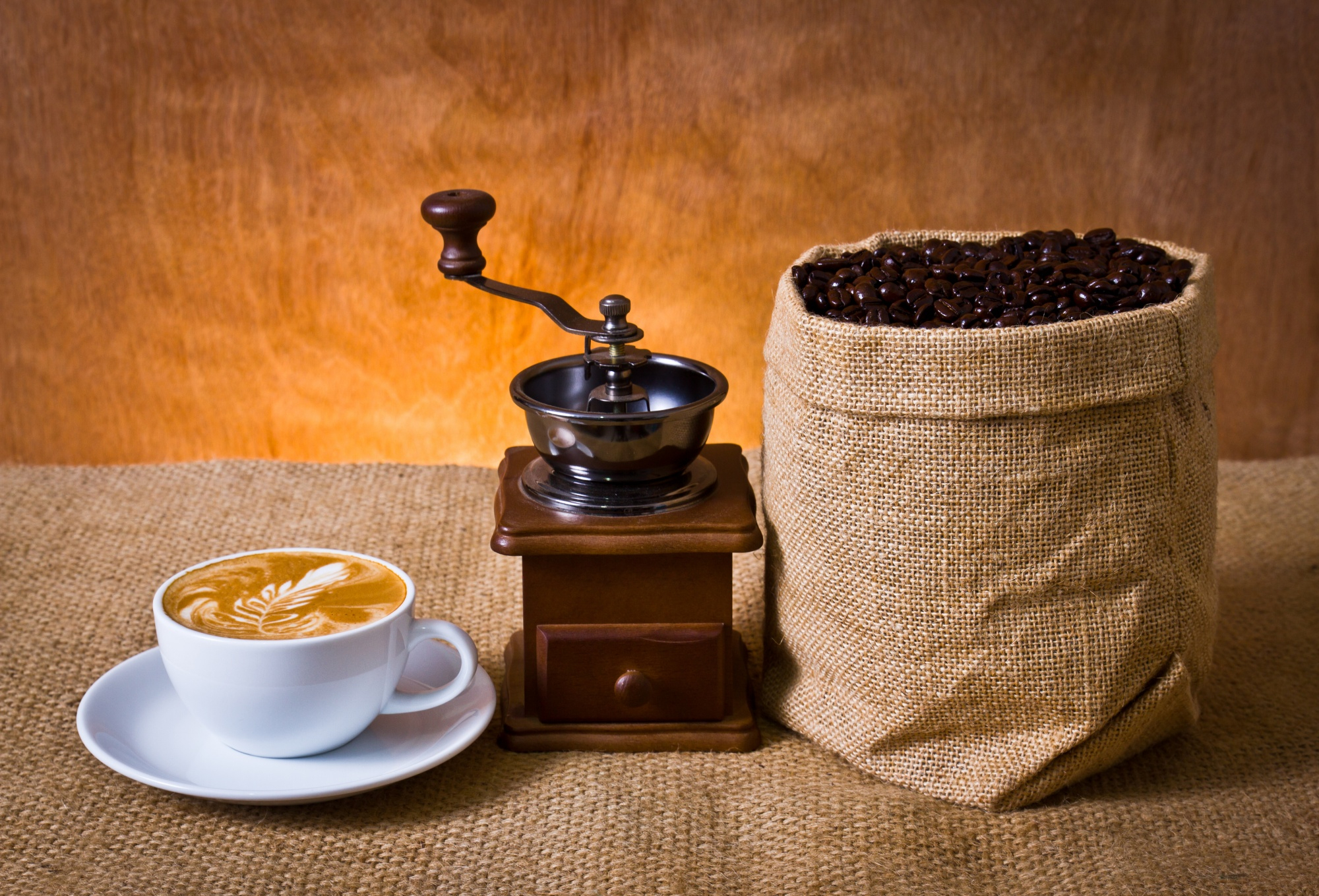
Most people begin their coffee journey by noticing the smell, the warmth, or the way one cup feels different from another. Then comes the big question: what is specialty coffee? The simple answer is this. Specialty coffee is high-quality coffee that is grown, processed, roasted, and brewed with extra care at every stage.
But there is much more behind that simple answer.
Specialty coffee is not only about expensive beans or fancy cafés. It is about quality, traceability, freshness, and flavor clarity. Moreover, it helps people understand where the coffee came from, how it was processed, why it tastes the way it does, and, ultimately, what brewing choices bring out its best character.
For beginners, learning specialty coffee can feel confusing because there are many new words. This guide keeps everything simple and practical so anyone can understand the basics and make better coffee choices.
Specialty Coffee Means Quality From Farm To Cup
The easiest way to understand specialty coffee is to think of it as a carefully managed journey from farm to cup.
Every step matters:
The journey of coffee begins with its origin and variety, followed by harvesting and processing. Next comes grading and roasting, and finally, brewing brings everything together in the cup.
Unlike regular commercial coffee, specialty coffee focuses on preserving the bean’s natural flavor. That means the goal is not just “strong coffee.” The goal is to show the bean’s true taste.
For example, a coffee from Ethiopia may taste floral and fruity, while a coffee from India may feel nutty and chocolatey. Meanwhile, coffee from Colombia often feels balanced and sweet.
This is why specialty coffee feels more expressive and easier to understand once you know what to notice.
The 80+ Rule: How Coffee Becomes Specialty
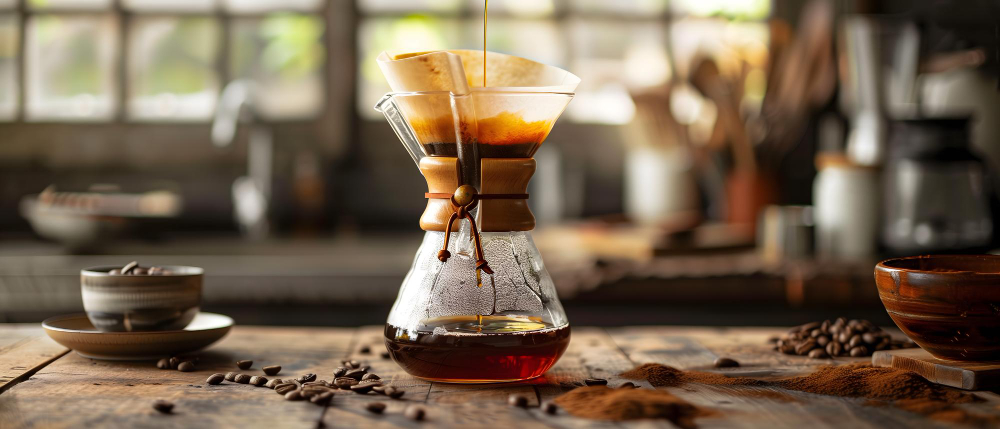
A coffee is generally called specialty when it scores 80 points or above on a 100-point scale during professional tasting. This scoring system is used by coffee experts called Q graders and tasters.
They evaluate:
- aroma
- sweetness
- acidity
- body
- aftertaste
- balance
- cleanliness
- defects
This score helps separate everyday commodity coffee from higher-quality beans.
For beginners, the score matters because it tells you the coffee has fewer defects and more flavor clarity.
Quality Parameters To Watch
When buying specialty coffee, check for:
- roast date
- origin mentioned clearly
- process type
- tasting notes
- farm or region details
These are simple quality indicators.
Why Specialty Coffee Tastes Different
The biggest difference is flavor transparency. Specialty coffee beans are roasted to highlight natural notes instead of hiding them behind heavy roasting.
That is why people notice:
- berries
- chocolate
- nuts
- citrus
- caramel
- floral notes
- honey sweetness
These are not added flavors. They come naturally from:
- bean genetics
- soil
- altitude
- climate
- processing
- roast profile
This is what makes specialty coffee exciting. The bean itself tells the story.
Processing Methods Change Everything
One of the most important beginner lessons is understanding coffee processing.
After harvesting, beans go through processing, and this strongly changes flavor.
Washed Process
- cleaner cup
- brighter acidity
- more clarity
- floral and citrus notes
Natural Process
- fruitier
- sweeter
- heavier body
- berry-like notes
Honey Process
- balanced sweetness
- syrupy texture
- caramel notes
This is one of the easiest ways beginners can predict what a coffee might taste like.
Roast Levels In Specialty Coffee
Many beginners think darker roast means better coffee. That is not always true.
In specialty coffee roasting, roast level is chosen to support the bean’s best natural flavor.
Light Roast
- fruity
- floral
- tea-like
- high clarity
Medium Roast
- balanced sweetness
- chocolate
- nuts
- caramel
Dark Roast
- smoky
- bold
- bitter chocolate
- lower origin clarity
For beginners, medium roast is usually the easiest starting point because it balances sweetness and body.
How To Brew Specialty Coffee At Home
The best way to enjoy specialty coffee is to brew it carefully.
Beginner Brewing Framework
- use fresh beans
- grind before brewing
- use filtered water
- use a scale
- start with 1:16 ratio
- keep water around 92–96°C
Best Beginner Brewers
- V60 for clean cups
- AeroPress for easy brewing
- French press for fuller body
A simple setup can already make a huge difference.
Common Beginner Mistakes To Avoid
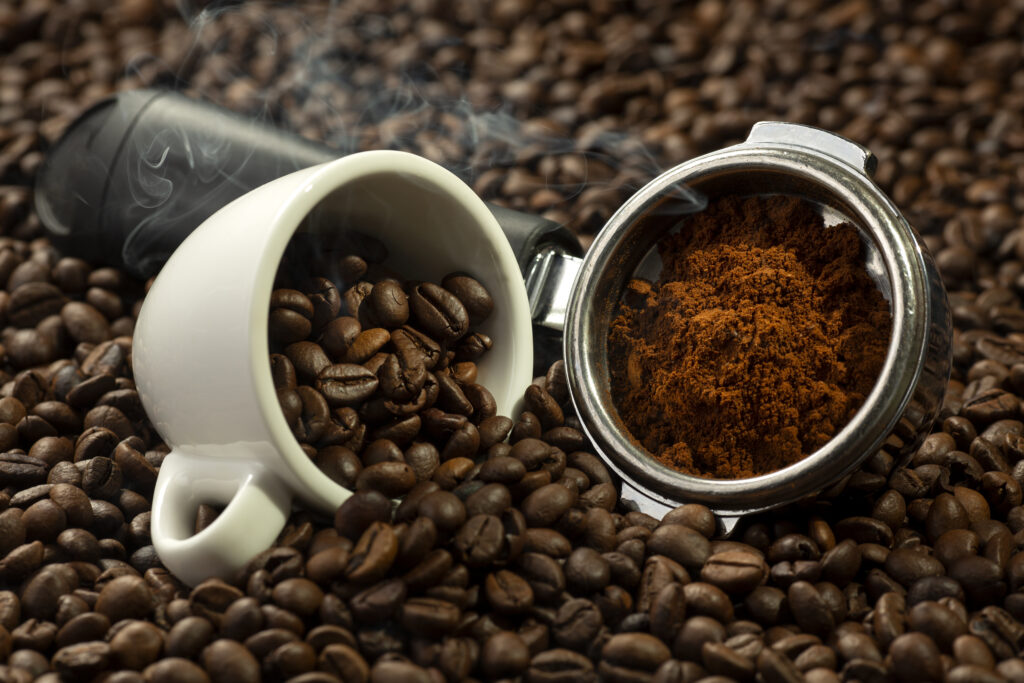
Many people buy good beans but lose quality during brewing.
Biggest Mistakes
- using boiling water
- pre-ground stale coffee
- inconsistent grind
- no scale
- poor water quality
- storing coffee open in air
- over-roasting at home
The easiest fix is to improve freshness and consistency first.
How To Buy Good Specialty Coffee
Buying well is easier when you know what to check.
Look For These Labels
- single origin coffee
- roast date
- process type
- altitude
- farm or estate name
- tasting notes
- roast recommendation
These details show transparency, which is a strong sign of quality.
Good Beginner Keyword Searches
Helpful search-friendly keywords include:
- specialty coffee beans
- single origin coffee
- beginner coffee brewing
- coffee tasting notes
- specialty coffee guide
- fresh roasted coffee
These are useful for both readers and search visibility.
Risks And Tradeoffs Beginners Should Know
Specialty coffee is exciting, but there are tradeoffs.
Tradeoffs
Firstly, fresher beans tend to cost more; however, they deliver better flavor. Secondly, light roasts require more precise brewing control. Moreover, a bad grinder can waste even the best beans. Finally, improper storage can lead to fast flavor loss.
However, this does not mean beginners need expensive gear. Instead, it simply means technique matters. In fact, the best investment is a good grinder and a digital scale.
Future Trends In Specialty Coffee
The specialty coffee world is growing quickly.
Future trends include:
- farm traceability QR codes
- fermentation innovation
- precision roasting profiles
- AI-assisted brewing
- direct trade sourcing
- climate-resilient varieties
For beginners, this means coffee will become even more transparent and easier to learn.
Start Your Specialty Coffee Journey The Smart Way
The easiest way to begin with specialty coffee is to stay curious and keep things simple. Start with one good medium roast, use a reliable brewer like AeroPress or V60, and pay attention to how the flavor changes when you adjust grind size, ratio, or water flow.
Specialty coffee is not about being complicated. It is about understanding why coffee tastes the way it does and learning how small details change the cup.
If you want to keep exploring coffee in a simple, warm, and beginner-friendly way, keep learning with Brew With Aditya, where every bean has a story worth discovering.
Not always, but single origin is common because it highlights origin character.
Natural sugars, processing, and roast profile preserve fruit-like compounds.
Not necessarily. Strength depends on ratio and brew method, not only bean quality.
Coffee tastes best within a controlled freshness window after roasting.
Medium roast is usually easiest because it balances sweetness and body.
Yes. Medium and medium-dark roasts work very well in milk.