

Many people buy freshly roasted coffee and think they should brew it immediately. That sounds logical, but coffee is a little strange. Right after roasting, beans are full of gas. A few days later, that gas settles. Then brewing becomes smoother, more even, and easier to repeat.
I’m Aditya, and people call me the youngest roaster in India. I learn by watching what changes in the bean over time. Coffee Resting is one of the biggest “quiet secrets” in speciality coffee. It is not a fancy trick. It is just patience.
This blog explains the coffee resting period in simple words, so you can decide when to brew and why it matters.
What “Resting Coffee” Means
Resting coffee means waiting after roasting before you brew. During this time, beans slowly release carbon dioxide (CO₂). This gas is produced during roasting and becomes trapped within the bean’s structure.
You may also hear words like:
- degassing (the gas slowly leaving the beans)
- CO₂ release (the same idea, simpler words)
- fresh roasted coffee resting (what most people search for)
Coffee Resting is not about making coffee “old.” It is about letting the coffee stabilise enough to brew well.
Why Fresh Roasted Coffee Has So Much CO₂
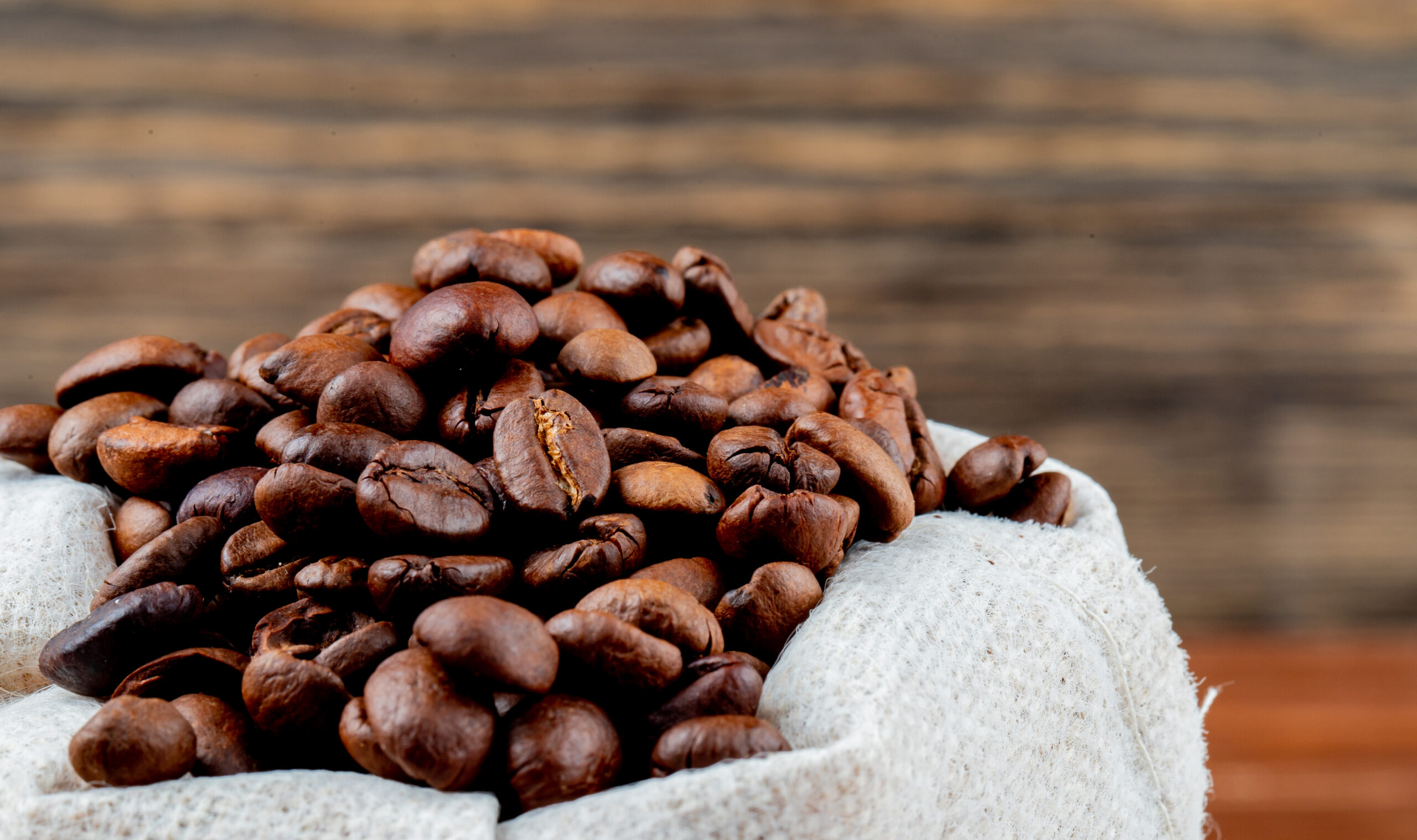
Coffee beans have natural sugars and acids. When heat hits them during roasting, chemical reactions happen and gas forms inside the bean. Beans are not smooth inside. They have tiny spaces, so CO₂ stays trapped and slowly escapes.
This is why:
- A coffee bag can puff up
- Speciality coffee bags often have a valve
- coffee blooms (bubbles) when you pour hot water
Freshly roasted coffee is full of CO₂. That gas affects brewing.
What CO₂ Does During Brewing
CO₂ can help, or cause problems, depending on how much is still inside the bean.
When CO₂ is too high (very fresh coffee)
When you brew very fresh coffee, hot water comes into contact with the grounds, and CO₂ rushes out quickly. You see lots of bubbles. This can be exciting, but it can also create uneven brewing.
Water wants to evenly touch every coffee particle. But when gas is escaping strongly, water can get pushed away in some areas. It can also find easy paths and run through them. That leads to uneven extraction.
In simple terms, too much CO₂ can make it harder for water to reach all parts of the ground evenly.
When CO₂ is too low (very old coffee)
When coffee has very little CO₂ left, water can move through the grounds too quickly, especially in pour-over. That reduces contact time. Low contact time often leads to under extraction.
In simple words, too little CO₂ can make water run too fast.
The best zone
The best brewing zone is usually when CO₂ is not extreme. It releases gently and gives the water a normal resistance. This helps water spread more evenly and be extracted more evenly.
The Common Coffee Resting Window: 7 to 21 Days
Many speciality coffee roasters suggest a resting period of 7 to 21 days, depending on the coffee and roast level. This is not a strict rule. It is a helpful range.
Think of it like this:
- Some coffees taste nice after a few days
- Some coffees improve after one to two weeks
- Some coffees feel best closer to three weeks
If you want a simple starting point, try brewing a coffee on day 3, day 7, day 14, and compare. Even without fancy tasting words, you will notice changes in brewing behaviour.
How Roast Level Changes Resting Needs
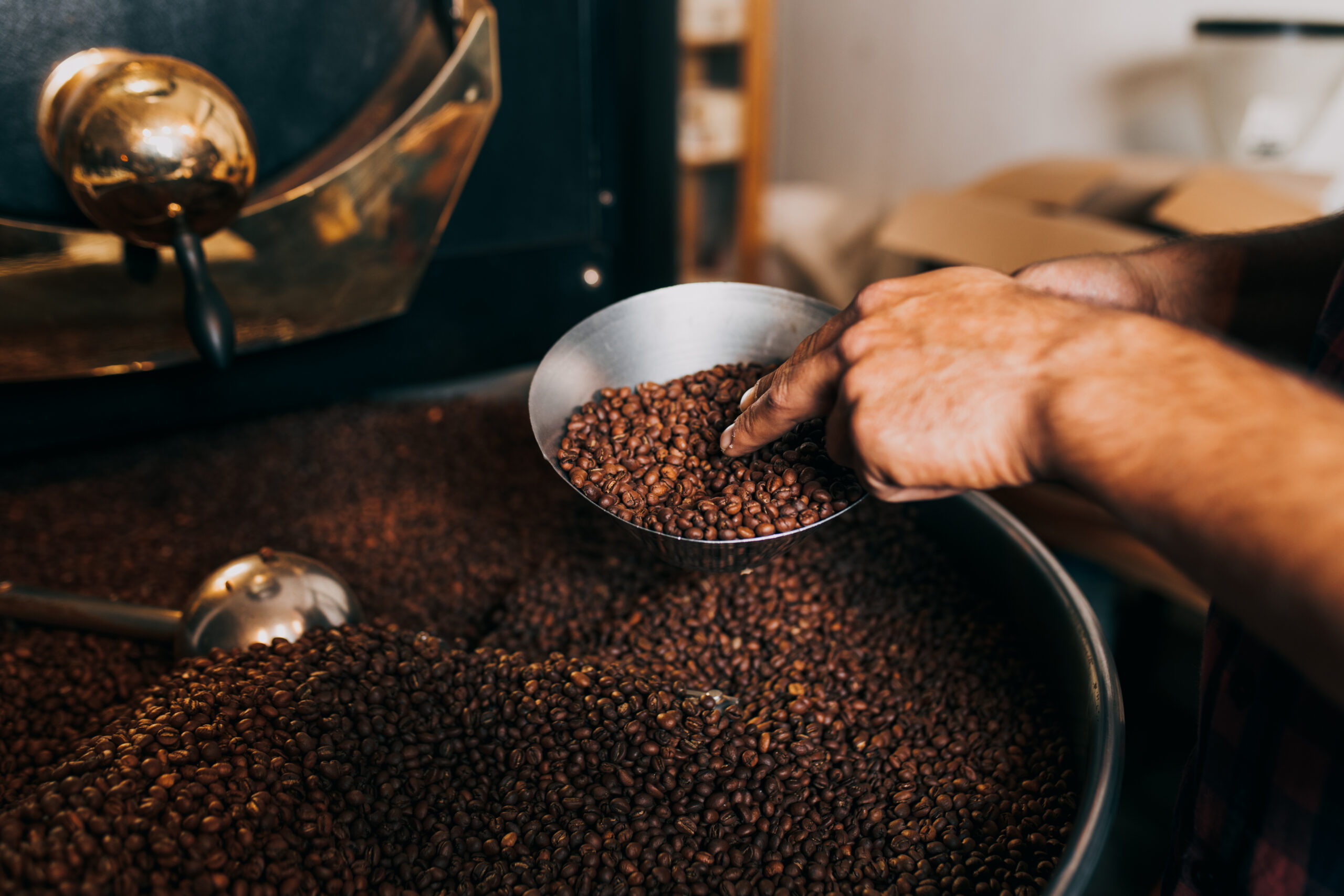
Roast level can affect how coffee behaves during rest.
Light roast
Light roasts often feel tighter and can need a bit more rest to brew smoothly. Many people find that light roasts improve after a longer rest.
Medium roast
Medium roasts often hit a nice balance sooner. They can still improve with rest, but the “sweet spot” may arrive earlier.
Dark roast
Dark roasts can release gas differently. They may feel “ready” sooner, but they can also lose aroma more quickly if stored poorly. So storage matters a lot here.
These are general patterns, not strict rules. Different beans behave differently.
How to Tell if Coffee Is Too Fresh (Easy Signs)
You don’t need expert skills to notice freshness signs.
Coffee may be too fresh if:
- Bloom is huge and aggressive
- Water struggles to sink evenly
- pour over drains unevenly
- Espresso becomes very gassy and unstable (if you brew espresso)
- The cup feels inconsistent, even when you follow the same recipe
If you see these signs, resting for a few more days can help.
How to Tell if Coffee Is Too Old (Easy Signs)
Coffee may be too old if:
- The smell feels weak when you open the bag
- The bloom is very small or almost nothing
- Water runs through too fast
- The cup feels thin or flat even after adjusting the brew
Old coffee is not “bad,” but it can be harder to get a lively cup from it.
Best Storage During the Resting Period
Resting works best when beans are stored properly.
Use these simple rules:
- Keep beans in an airtight container or sealed bag
- store in a cool, dry place
- keep away from sunlight and heat
- Avoid leaving the bag open on the counter
- Don’t store near the stove
This helps the aroma stay stronger while the coffee degasses.
Does Grinding Change Resting?
Yes. Grinding makes coffee lose aroma faster because it increases the surface area. For the best experience, use whole beans and grind just before brewing.
If you buy pre-ground coffee, it can still be enjoyable, but it will usually lose aroma sooner than whole bean coffee.
Coffee Resting Tips for Different Brew Methods
Pour over
Coffee Resting helps pour over a lot because pour over needs even water flow. Too much CO₂ can cause channelling. A simple fix for fresh coffee is a longer bloom, but resting usually makes it easier.
AeroPress
AeroPress is more forgiving because it’s an immersion-style brewer. You can still brew fresher coffee in the AeroPress and get decent results, but resting can improve balance.
Espresso
Espresso often needs the most rest because pressure makes CO₂ issues more obvious. Very fresh coffee can taste sharp and behave unpredictably. Many espresso drinkers prefer a longer rest window.
A Simple “Try This” Home Experiment
If you want to understand resting quickly, do this:
- Buy one bag of fresh roasted coffee.
- Brew the same method with the same recipe on day 3.
- Brew again on day 7.
- Brew again on day 14.
- Write down simple notes like: bloom size, drip speed, aroma strength, and how balanced the cup feels.
Even beginners will notice changes in brewing behaviour and aroma.
The Simple Ending
Freshly roasted coffee is full of CO₂. That gas changes how water moves through coffee. If you brew too soon, extraction can be uneven. If you wait too long, coffee can feel flat. Resting helps you land in the middle, where coffee brews more evenly and tastes more balanced.
For me, this is one of the calmest lessons coffee teaches. The best results often come from waiting, not rushing.