

The first time you hold a green coffee bean, it does not feel like “coffee” at all. It looks pale green. It feels hard like a tiny stone. It smells light, with a bit of dry plantiness. Then roasting happens, and everything changes. The bean turns brown, becomes easier to grind, and starts smelling like the coffee people love.
I’m Aditya, and people call me the youngest roaster in India. I’m still learning, but roasting is the part of coffee that teaches the clearest lessons. You can see the change. You can smell the change. You can hear the change. This blog explains, in simple words, what roasting does to a coffee bean and why it matters for your cup.
What a Green Coffee Bean Really Is
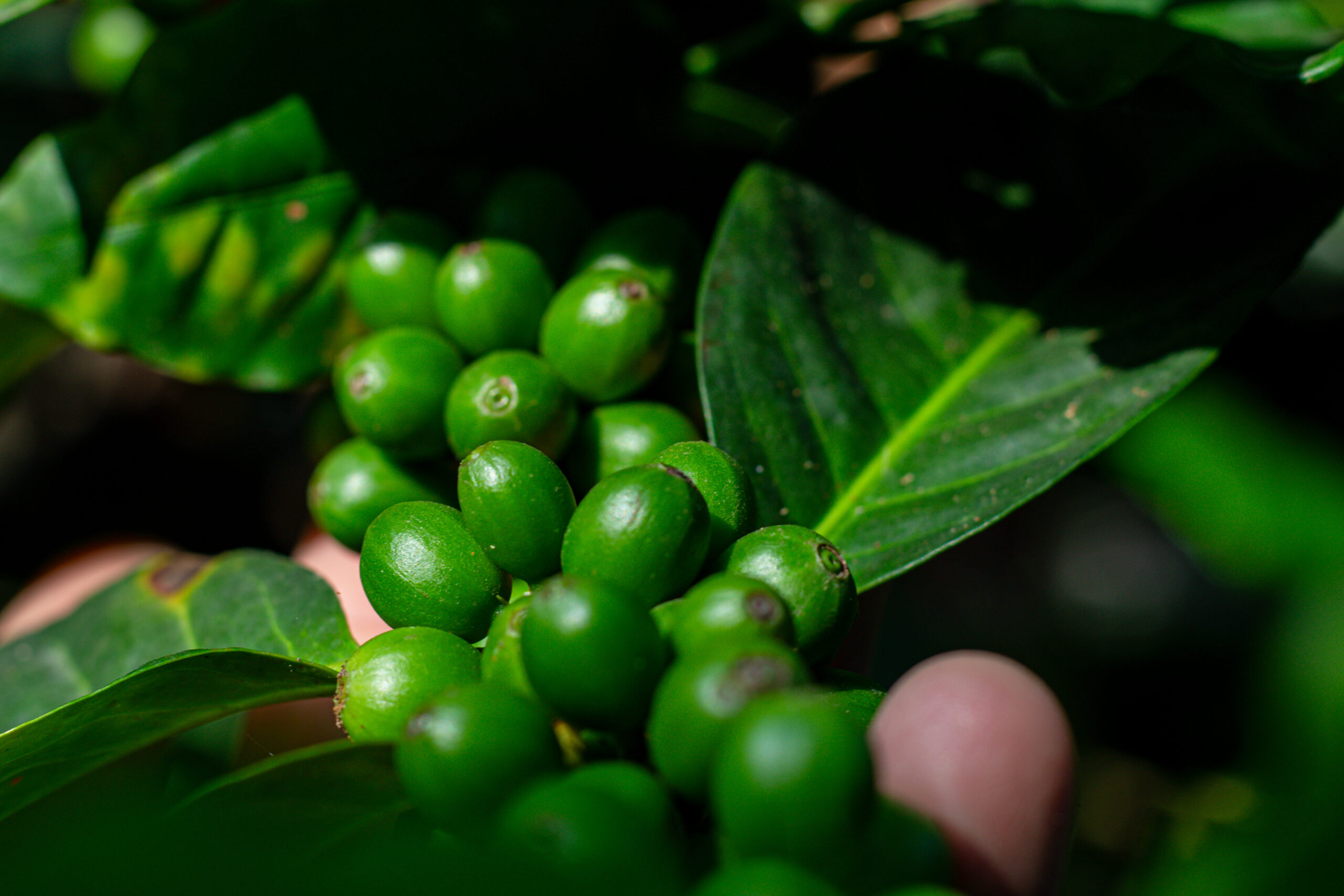
A green coffee bean is a raw coffee seed. It comes from a coffee cherry. After the cherry is processed and dried, the bean becomes “green coffee.” Green beans can be stored longer than roasted beans if they are kept dry and clean.
Green beans are:
- dense and hard
- light-smelling (not coffee-smelling yet)
- not ready to brew, because the coffee aroma has not developed
Roasting is the step that turns green coffee beans into roasted coffee beans.
Why Roasting Is the Biggest Change in Coffee
Many people think roasting is just “making beans dark.” That is not true. Roasting is a controlled process that changes the bean from the inside out. It creates most of the aromas people connect with coffee. It also changes how the bean grinds and how it extracts during brewing.
If you search online, you will see questions like:
- coffee roasting process explained
- How coffee beans are roasted
- What does roasting do to coffee
- Why does coffee bloom
These questions all point to one idea: roasting affects everything that happens after.
Three Simple Things Roasting Changes
Roasting changes many things, but you can understand it with three big ideas.
1) Roasting dries the bean
Green beans contain moisture. Early roasting pushes that moisture out. If drying is uneven, the roast can become uneven too.
2) Roasting builds aroma
Heat triggers reactions that create coffee smells. This is why roasting can smell like toast, nuts, chocolate, or caramel at different moments. This is the part that makes the room smell like coffee.
3) Roasting changes the bean structure
As the bean heats, it expands. It becomes more porous and more brittle. That is why roasted beans are easier to grind than green beans.
The Coffee Roasting Stages You Can Understand Easily
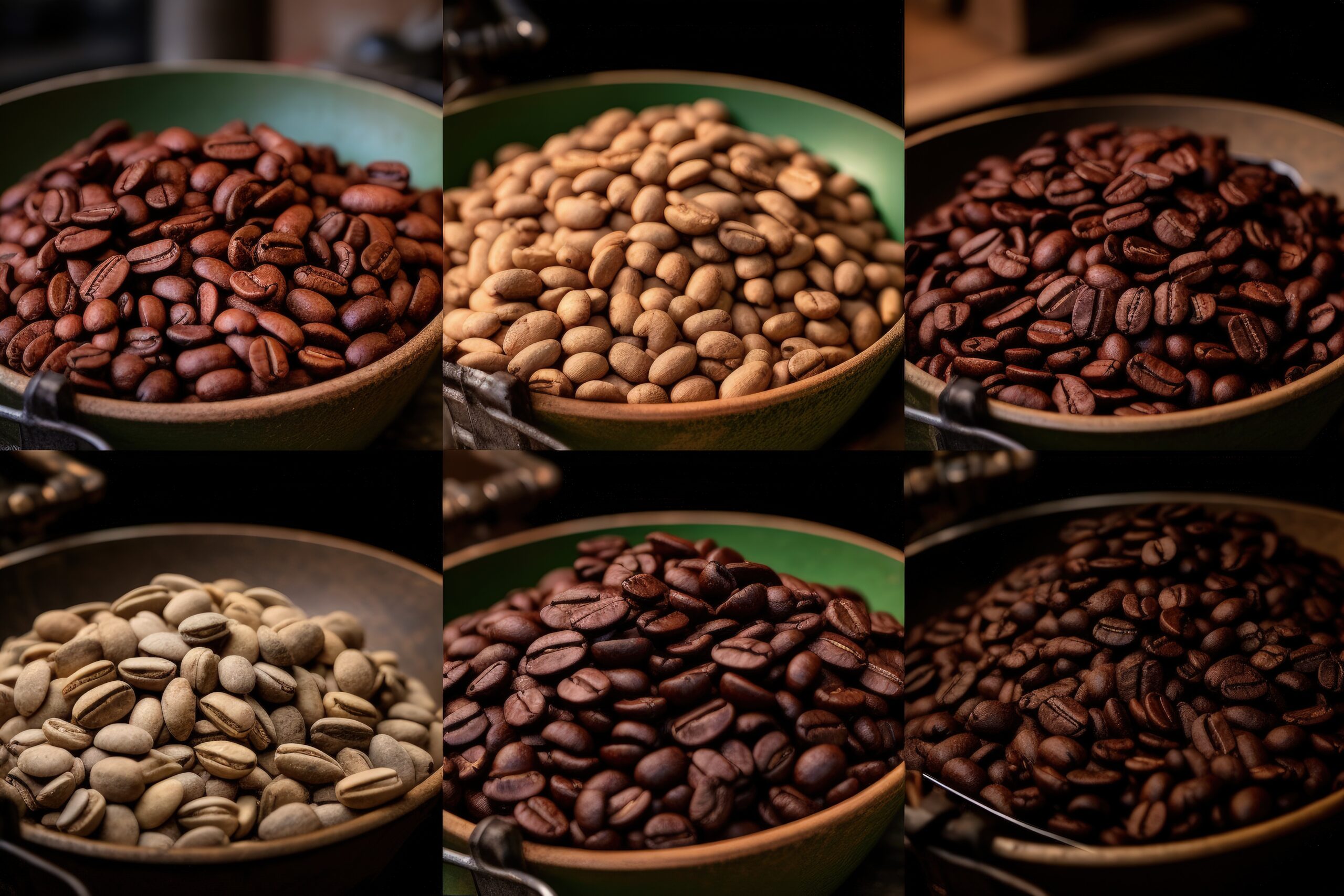
Roasting has stages. You don’t need fancy words to follow them. You can track roasting by colour, smell, and time.
Stage 1: Drying (Green to Yellow)
In the beginning, the goal is to heat the beans evenly and remove moisture. The beans move from green toward yellow. The smell starts to change from grassy to warm and grain-like.
What this stage teaches:
- patience
- even heat matters
- Rushing early can damage the roast later
Stage 2: Browning (Yellow to Light Brown)
After drying, the bean begins to brown. This is where sweet aromas often appear. Many people say this stage smells like toast, nuts, or caramel.
This stage is important because it builds balance. If it is too fast, coffee can taste sharp later. If it is too slow, coffee can taste flat.
Stage 3: First Crack (A Key Sound)
First crack is a moment you can hear. It often sounds like tiny popcorn pops. It happens because pressure builds inside the bean, causing it to expand.
First crack matters because it tells you the roast has reached a major point. From here, the roaster decides what roast level to create.
Stage 4: Development (Choosing the Roast Level)
After the first crack, the roast continues for a chosen amount of time. This time is called development. It shapes whether the coffee becomes light, medium, or dark.
This part determines how “roasty” the coffee feels and how much natural bean character remains.
Light, Medium, Dark: What It Means in Real Life
Roast level is not just colour. It changes what the coffee emphasises.
Light roast
Light roast usually stops soon after the first crack. Many people describe it as brighter and more lively. It often keeps more of the bean’s original character.
Medium roast
Medium roast develops longer. It often feels balanced and sweet. Many people like it because it works well for many brewing methods.
Dark roast
Dark roast develops longer and becomes more roasty. It can smell bold and heavy. If pushed too far, it can taste smoky or bitter.
A simple truth: “strong coffee” is not only about dark roast. Strength often depends on how you brew, like how much coffee you use and how fine you grind.
What Happens to CO₂ After Roasting
After roasting, beans release carbon dioxide (CO₂). This gas slowly escapes over time. That is why fresh coffee can cause a bag to puff up. It is also why many speciality coffee bags have a one-way valve.
CO₂ affects brewing, too. When hot water comes into contact with fresh coffee grounds, CO₂ escapes quickly, producing bubbles. This is the bloom.
Bloom is normal. But too much CO₂ can make brewing uneven, because gas can prevent water from evenly contacting all coffee particles. Too little CO₂ can sometimes cause water to run through too quickly, depending on the method.
This is one reason coffee often tastes better after resting for a bit.
Why Fresh Roasted Coffee Needs a Rest
Freshly roasted coffee smells amazing right away. But brewing it immediately is not always best. Many coffees taste more balanced after resting.
A common resting window is around 7 to 21 days, depending on the coffee and roast style. The reason is simple: resting lets excess CO₂ escape, so brewing becomes more even and more predictable.
If you brew very fresh coffee, you can still get a good cup, but you may need a longer bloom and more careful pouring.
How Roasting Changes Grinding and Brewing
Roasting changes the bean’s physical behaviour.
Roasted beans grind differently from green beans.
Roasted beans are more brittle. They break more easily. That is why grind size can behave differently across roast levels.
Roast level can change your grinder settings.
If you switch from a light roast to a dark roast, you may need to adjust your grind. Dark roasts often produce different grind results than light roasts.
Roasting affects extraction speed.
More porous beans can extract differently. That is why brewing recipes often need small changes when you change the roast level.
Why the Same Bean Can Taste Different When Roasted by Different People
The same green coffee can taste different depending on roasting choices. This is because roasting is not just a machine. It is control and attention.
A roaster controls things like:
- how fast the roast moves
- how heat is applied over time
- airflow (how hot air and smoke move)
- How long does the development last after the first crack
Small differences here can significantly change the final result. This is why roasting is both a skill and a practice.
Easy Signs of a Roast That Went Wrong
You don’t need to be an expert to spot some issues.
A roast may have problems if:
- Beans look patchy or uneven in colour
- The smell is burnt or smoky in a harsh way
- Brewing becomes very uneven or unpredictable
A roast usually feels more consistent when:
- Beans look evenly roasted
- aroma smells clean, not burnt
- brewing behaves in a steady way
If something feels off, the best approach is to change one thing at a time and test again.
Why This Matters for People Who Don’t Roast at Home
Even if you never roast coffee yourself, understanding roasting helps you choose better coffee and brew better coffee.
You can:
- Pick a roast level that fits your taste
- Rest the coffee before judging it
- Adjust the grind when you switch roasts
- understand bloom and CO₂ behaviour
- avoid confusion when coffee tastes different week to week
The Simple Ending
A green bean is quiet. Roasting wakes it up. Roasting dries the bean, alters its structure, develops its aroma, and prepares it for brewing. When you understand what roasting changes, coffee becomes less confusing and more enjoyable.
And for me, as the youngest roaster in India, roasting is the best teacher because it shows you the truth in real time: small changes create big results, so you have to stay calm, careful, and consistent.